
Silent cinema is a fundamental stage in the development of the film industry, characterised by the absence of synchronised sound and spoken dialogue, and it represents an iconic and fascinating era in the history of film.
It’s an era that gave birth to many of the narrative and aesthetic conventions still used in modern cinema. Although silent films are no longer produced, the impact of this era endures.
What is silent cinema?
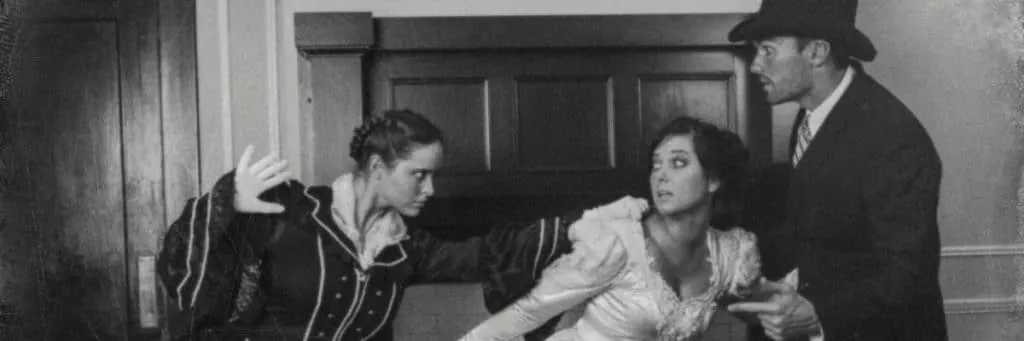
Silent cinema refers to the films made during the early years of cinema, from the late 19th century until the 1920s, before the technology to synchronise sound with the image on screen was developed.
Silent films relied heavily on facial expressions, body language and intertitle cards to tell stories and convey emotions.
Silent film screenings were often accompanied by live music, played by a pianist or a small orchestra in the theatre, to set the mood of the scenes and give them rhythm.
Origins and history of silent cinema
Silent cinema was born in the latter part of the 19th century with the invention of the cinematograph, a device that could capture, process and project moving images.
The Lumière brothers in France and Thomas Edison in the United States were pioneers in this field.
The first recognised narrative short film is “The Sprinkler Sprinkled” by the Lumière brothers, released in 1895.
However, it was “A Trip to the Moon” by Georges Méliès in 1902 that established many of the conventions of narrative cinema and showed the potential of film as a medium for telling fictional stories.
In the 1920s, Hollywood became the centre of world film production, and films such as “Battleship Potemkin” by Sergei Eisenstein and “The Cabinet of Dr. Caligari” by Robert Wiene demonstrated the versatility and power of silent cinema.
The silent film era came to an end in the late 1920s with the arrival of sound cinema.
“The Jazz Singer” (1927) is often cited as the first commercially successful sound film, marking the beginning of the transition to sound cinema.
Although silent cinema continued for a few more years, particularly in Europe, by the 1930s sound cinema had become the standard of the world film industry.
Defining characteristics of silent cinema
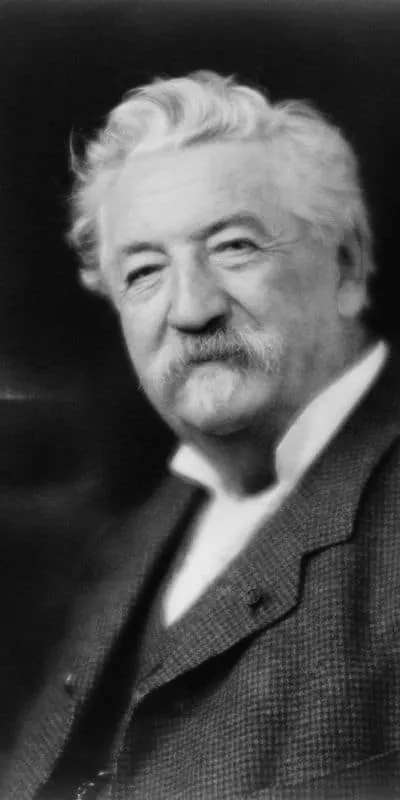
Although silent films lacked spoken dialogue and synchronised sound effects, filmmakers developed a series of techniques and conventions to communicate the story and emotions to their audience.
Use of intertitles
Intertitles are texts inserted between the scenes of a silent film to convey dialogue or plot details that can’t be conveyed visually.
This method was essential to silent cinema, as it gave filmmakers a means to communicate spoken language and contextual information to the audience.
Intertitles were often elaborately decorated, and their visual style could vary significantly depending on the tone and theme of the film.
The role of music and sound
Although silent films had no spoken dialogue or synchronised sound effects, they weren’t screened in silence. Music played a crucial role in silent cinema, often providing live accompaniment during screenings.
Pianists, organists and even small orchestras would provide music to match the action on screen, setting the tone and atmosphere, and sometimes even providing sound effects, such as loud thunder or a sharp scream.
Sound effects were also common in silent film presentations, often produced by effects machines in the theatre or by the musician.
For example, to simulate the sound of a train, percussion instruments might be used. These live sounds weren’t synchronised with the action on screen, but they provided a rich sensory experience that complemented the visual narrative.
Live music: its importance and role
Live music played a vital role in the silent film experience. The sound, although not synchronised with the action on screen, provided the emotional and dramatic support to the images.
Live music could be as simple as a solo pianist or as complex as a full orchestra, depending on the location and resources of the cinema.
The choice of music was crucial. Musicians could emphasise tension, humour, romance, danger and other emotions simply by changing the tempo, tone and melody of the music they played.
In addition, silent film musicians often had to be highly adaptable, changing their performance according to the audience and its reactions.
Projection speed and its effect on storytelling
Projection speed in silent cinema wasn’t standardised and varied depending on the cinema and the film.
In general, silent films were shot and projected at a speed of 16 to 24 frames per second, much less than the standard 24 fps of modern cinema.
This variation in projection speed had a significant impact on storytelling.
Projecting a film at a slower speed could make the action seem faster and more frantic, which was useful for comedies and action scenes.
On the other hand, projecting a film at a higher speed could make the action seem slower and more melancholic, which was useful for dramatic and emotional scenes.
In addition, projection speed could also be used for comic effect, since projecting a scene at an unusual speed could make normal movements seem ridiculous or strange.
Therefore, projection speed in silent cinema not only affected the appearance of the films, but also the way the stories were told.
Use of colour in silent cinema
Although silent films are generally thought of as exclusively black and white, the use of colour was common during this era.
In the absence of colour technology, several methods were used to infuse films with hues and tones.
The simplest method was tinting and toning. With tinting, the entire frame was dyed a specific colour to suggest a certain mood or time of day.
For example, blue was often used for night scenes, while yellow could indicate daylight. Toning, on the other hand, turned the dark areas into colour while keeping the white areas intact.
For more detailed and colourful scenes, hand-colouring was used. This was a laborious process in which artists coloured each individual frame of the film by hand.
Although it was expensive and slow, this method could produce impressive results, bringing scenes to life with a variety of bright, detailed colours.
Finally, the Technicolor process, an early form of colour in film, was first introduced in the 1920s. Although this process was expensive and complicated, it offered the possibility of filming in real colours, instead of tinting or toning the film.
However, due to its cost, Technicolor wasn’t used widely until the 1930s, after the silent film era had come to an end.
Overall, although silent films didn’t have the same range of colours as modern films, the filmmakers of the time used colour creatively to enhance the storytelling and the visual aesthetic.
The protagonists of silent cinema: Actors and filmmakers
The silent film era gave rise to a multitude of talented actors and filmmakers, whose work has left an indelible mark on the history of cinema.
Although the list of notable figures is long, we’ll highlight some of the most influential.
Buster Keaton: A genius of slapstick
Buster Keaton is one of the most recognisable names of the silent film era.
He began his career in vaudeville before moving into film, where he quickly became a central figure of silent comedy, alongside figures such as Charlie Chaplin and Harold Lloyd.
His style and contributions to silent cinema
Keaton is famous for his “slapstick” style, a type of physical comedy that relies on exaggerated and often violent actions. However, Keaton added his own unique dimension to this genre, turning it into something more than simple physical gags.
His on-screen character, known as “The Great Stone Face”, kept an unflappable expression in the middle of increasingly chaotic situations.
This trait, together with his remarkable ability to perform dangerous physical stunts without stunt doubles, set him apart from other comedians of his time.
In addition, Keaton was known for his visual ingenuity and his storytelling ability.
Many of his gags required meticulous planning and precise execution, and they often played with the audience’s visual expectations in novel and surprising ways.
Keaton’s films, such as “The General” (1926) and “Sherlock Jr.” (1924), are silent film classics, and his influence can be seen in generations of comedians and filmmakers who followed him.
Despite the difficulties he faced in the transition to sound cinema, Keaton’s legacy in the silent film era remains intact.
Charles Chaplin: The icon of silent cinema
Charles Chaplin, better known as Charlie Chaplin, is possibly the most iconic actor of the silent film era.
Born in London, Chaplin began his career in British vaudeville before moving to the United States and making a name for himself in the Hollywood film industry.
The Tramp and the transcendence of his character
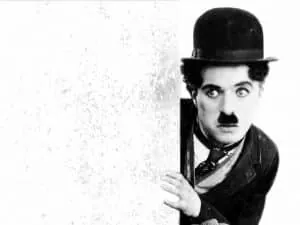
Chaplin is best known for his character of the Tramp (also known as “Charlot” in Spanish), a vagabond with the manners and dignity of a gentleman.
Dressed in baggy trousers, a bowler hat, a flexible cane and a small moustache, the Tramp is an unforgettable character that has transcended the barriers of time and culture.
Although the Tramp often found himself in comic situations, the character also addressed serious matters.
Chaplin’s films often had a strong social component, addressing themes such as poverty, inequality and injustice. Through the Tramp, Chaplin was able to explore these themes with a mix of humour and pathos that resonated deeply with audiences.
Chaplin’s films, such as “The Kid” (1921), “The Gold Rush” (1925) and “City Lights” (1931), are considered silent film classics.
Although Chaplin successfully made the transition to sound cinema, his character of the Tramp, a product of the silent film era, remains his most enduring contribution to film.
Harold Lloyd: The face of danger
Harold Lloyd was another of the great comedians of the silent film era, famous for his thrilling stunts and his “everyman” character, which resonated deeply with the audiences of the time.
His performance and mark on silent cinema
Lloyd is mainly remembered for his “Glasses Character”, an optimistic and determined character who often found himself in situations of extreme danger.
Unlike other silent comedians of the time, Lloyd’s character was less of a buffoon and more of an ordinary man, someone the audience could easily identify with.
Lloyd is perhaps best known for his film “Safety Last!” (1923), in which he performs a famous stunt sequence climbing a multi-storey building.
Many of Lloyd’s stunts were genuinely dangerous and he performed them himself, which added a sense of authenticity and excitement to his films.
He produced and starred in more than 200 films during his career, and his influence can be seen in generations of comedians and film actors.
Although he may not be as widely remembered as Chaplin or Keaton, Lloyd left an indelible mark on silent cinema and remains one of its most significant figures.
Other relevant actors and filmmakers
In addition to the prominent Buster Keaton, Charles Chaplin and Harold Lloyd, there were other notable actors and filmmakers who left their mark on the silent film era. Here we’ll mention some of them.
Georges Méliès: The wizard of special effects
Georges Méliès was a French film director who stood out for his innovation in special effects and cinematic fantasy.
Méliès is known for his film “A Trip to the Moon” (1902), a masterpiece of silent cinema that featured surprising visual tricks and a boundless imagination.
His films were famous for their use of illusion and magic, and they laid the foundations for the development of special effects in film.
Segundo de Chomón: The pioneer of fantasy cinema
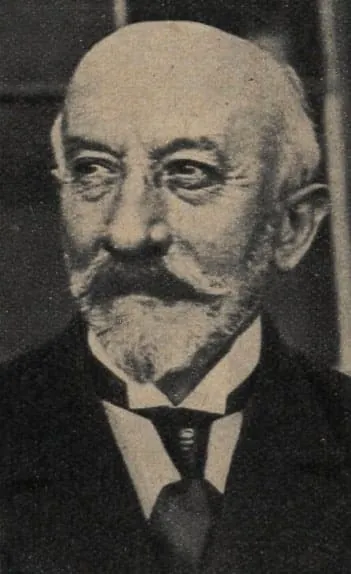
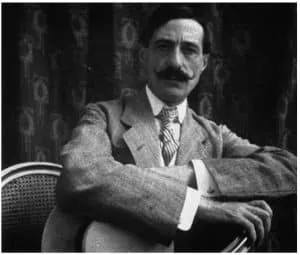
Segundo de Chomón was a Spanish director and special effects specialist who worked during the silent film era.
Known for his creative talent and technical innovation, Chomón was a pioneer of fantasy and animation cinema. His films, such as “The Electric Hotel” (1905) and “The Pointer” (1909), featured ingenious visual tricks and a boundless imagination.
His work influenced later generations of filmmakers and left a lasting mark on film.
These are just some of the notable actors and filmmakers of the silent film era. Their talent and creative vision left an indelible mark on the history of cinema, and their legacy continues to inspire later generations of filmmakers and artists.
Landmark films of silent cinema
Silent cinema left a legacy of iconic, landmark films that are still appreciated and studied to this day.
These outstanding silent films not only capture the essence and creativity of the era, but also laid the foundations for the development of film as an art form.
Below, we’ll mention some of the gems of silent cinema that endure in the collective memory.
The gems of silent cinema: Unforgettable titles
“Battleship Potemkin” (1925): Directed by Sergei Eisenstein, this masterpiece of silent cinema recounts the events of the Russian Revolution and is renowned for its innovative editing technique and its visual impact.
“The Cabinet of Dr. Caligari” (1920): Directed by Robert Wiene, this German Expressionist film is a landmark of the horror genre and tells the story of a hypnotist and his sinister acts.
“Nosferatu” (1922): Directed by F.W. Murnau, this vampire film is considered one of the first and most influential in its genre. Its sombre atmosphere and its interpretation of Count Dracula have left a lasting mark.
“The Kid” (1921): Directed by and starring Charlie Chaplin, this comedy-drama follows the story of a vagabond who takes in an abandoned child. It’s one of Chaplin’s most moving works and has been acclaimed for its ability to combine humour and emotion.
“The Jazz Singer” (1927): This film, directed by Alan Crosland, is widely regarded as the first commercially successful sound film. Although it includes spoken sequences, you can still appreciate the visual style and storytelling of silent cinema.
These are just some of the landmark films of silent cinema that continue to be appreciated for their historical impact and their influence on contemporary film.
The legacy and preservation of silent cinema
Silent cinema has left an invaluable legacy in the history of film, and its preservation is an important task to keep these masterpieces alive.
However, silent cinema has faced challenges in terms of preservation due to the fragility of the materials these films were recorded on and the lack of awareness of their importance in their early years.
On lost films and preservation efforts
Sadly, many silent films have been lost over the years due to a lack of care and conservation.
Some were intentionally destroyed to recover the silver nitrate, a valuable component used in film manufacturing back then.
Others simply deteriorated over time or were discarded due to a lack of recognition of their historical value.
Fortunately, there have been significant efforts to preserve and restore the remaining silent films.
Film archives, institutions and dedicated cinephiles have worked hard to find and rescue old copies, using modern restoration and digitisation techniques to preserve these masterpieces for future generations.
Tributes and influences on contemporary cinema
Although silent cinema is a thing of the past, its legacy and influence are still felt in contemporary film.
Many filmmakers have honoured and paid tribute to the aesthetic and style of silent cinema in their work. From films such as “The Artist” (2011), which recreates the silent film era, to the incorporation of silent film techniques and visual elements in modern productions, the impact of silent cinema remains visible and relevant in today’s film industry.
In conclusion, silent cinema will always be a cinematic treasure, and the efforts to preserve it and recognise its historical importance are vital to keeping this fundamental part of film history alive.